

On January 15th, the World Economic Forum (WEF) announced the latest list of "Lighthouse Factories". The 100,000-spindle green and intelligent factory of Jiangsu Yueda Textile Group successfully made the list, becoming the world's first factory in the global cotton textile industry to receive this honor. This milestone signifies that China's traditional textile industry has ascended to the world's highest stage in intelligent manufacturing and digitalization.
Systematic Revolution: From "Thousands of Workers for Yarn" to an "Industrial Brain"
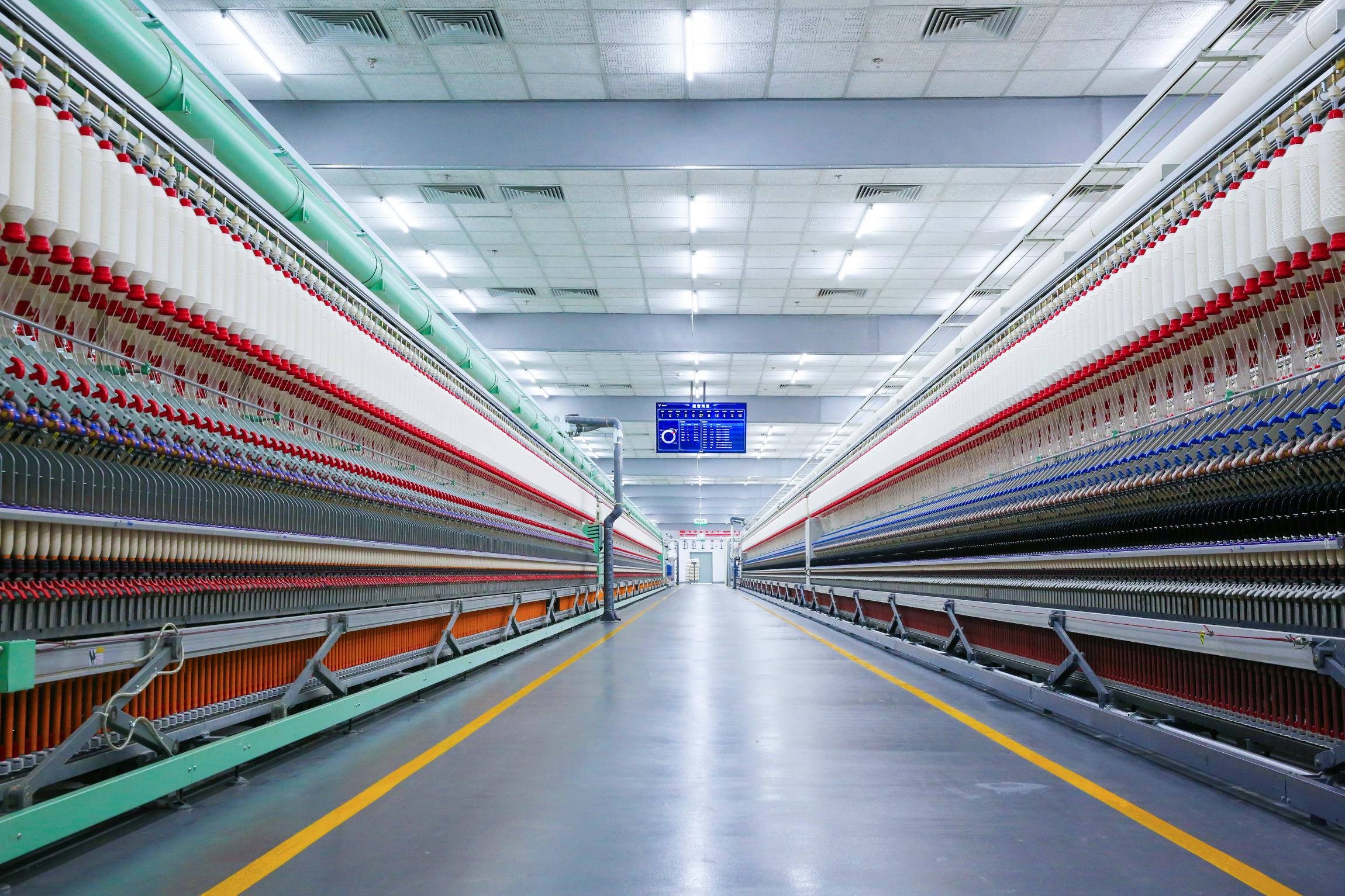
Stepping into the 50,000-square-meter production workshop of the green and intelligent factory, the noisy and chaotic scene of "thousands of workers for yarn and tens of thousands for cloth" that once defined the textile industry has vanished. Instead, 432 sets of digital equipment operate in an orderly manner, 41 industrial robots work in synergy, and 32 kilometers of intelligent transmission lines and AGV transport robots accurately transfer materials. Through over 500,000 data collection points, the factory connects all elements of "people, machines, materials, methods, environment, and information", building a thinking and optimizing "industrial brain". In front of the data cockpit, technicians can instantly grasp the latest production line data with a light touch on the screen, realizing transparent and intelligent management and control throughout the entire production process. "The digital transformation of the 100,000-spindle green and intelligent factory is a systematic revolution spanning concepts, thinking, business, management, and models," emphasized Ling Liangzhong, Party Secretary and Chairman of Yueda Textile Group.
Independent Innovation: Forging the Core Competitiveness of the "Yueda Model"
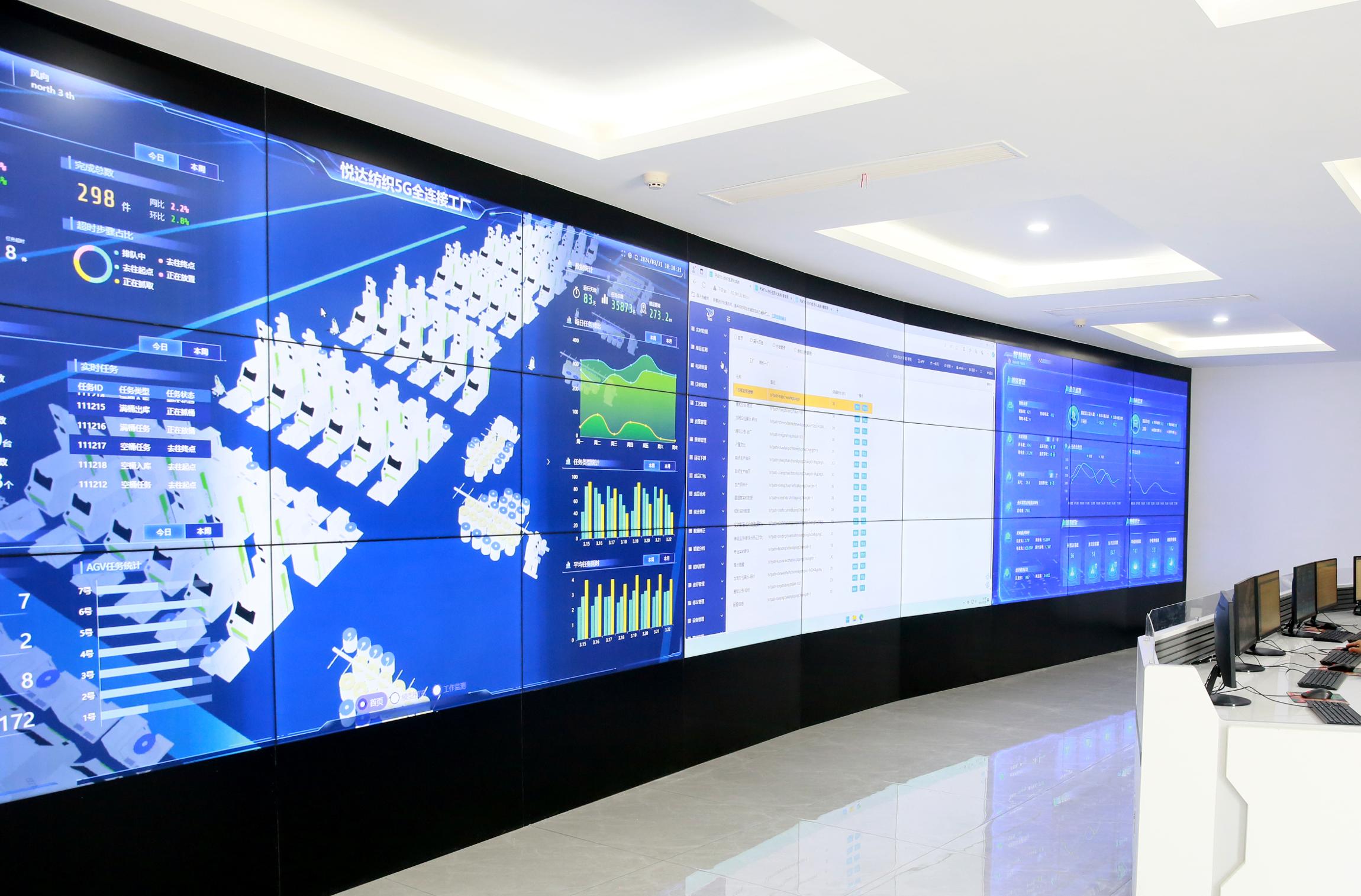
Beyond adopting general digital modules, Yueda Textile has focused on industry pain points and independently built three distinctive application scenarios, forming differentiated competitive advantages. In the 5G fully connected factory, massive data is transmitted in real time via 5G networks, endowing material scheduling with "intelligent senses"; the full-process quality traceability system assigns a "digital ID" to each spindle of yarn, enabling instant tracing of any quality issues to their source and shifting quality control from "post-event remediation" to "pre-event prevention"; comprehensive mobile management puts the management hub in the palm of the hand—managers can receive real-time alerts and handle matters remotely via mobile phones, driving the transformation of management at all levels toward a data-driven model. "It's like equipping the factory with a 'nervous system'—any 'pain' can be instantly sensed and responded to quickly," vividly described by Gao Jing, Factory Director of the factory. This independently developed intelligent management system constitutes Yueda Textile's unique core competitiveness.
Integration of Green and Intelligence: Efficiency Leap and Full-Chain Carbon Reduction
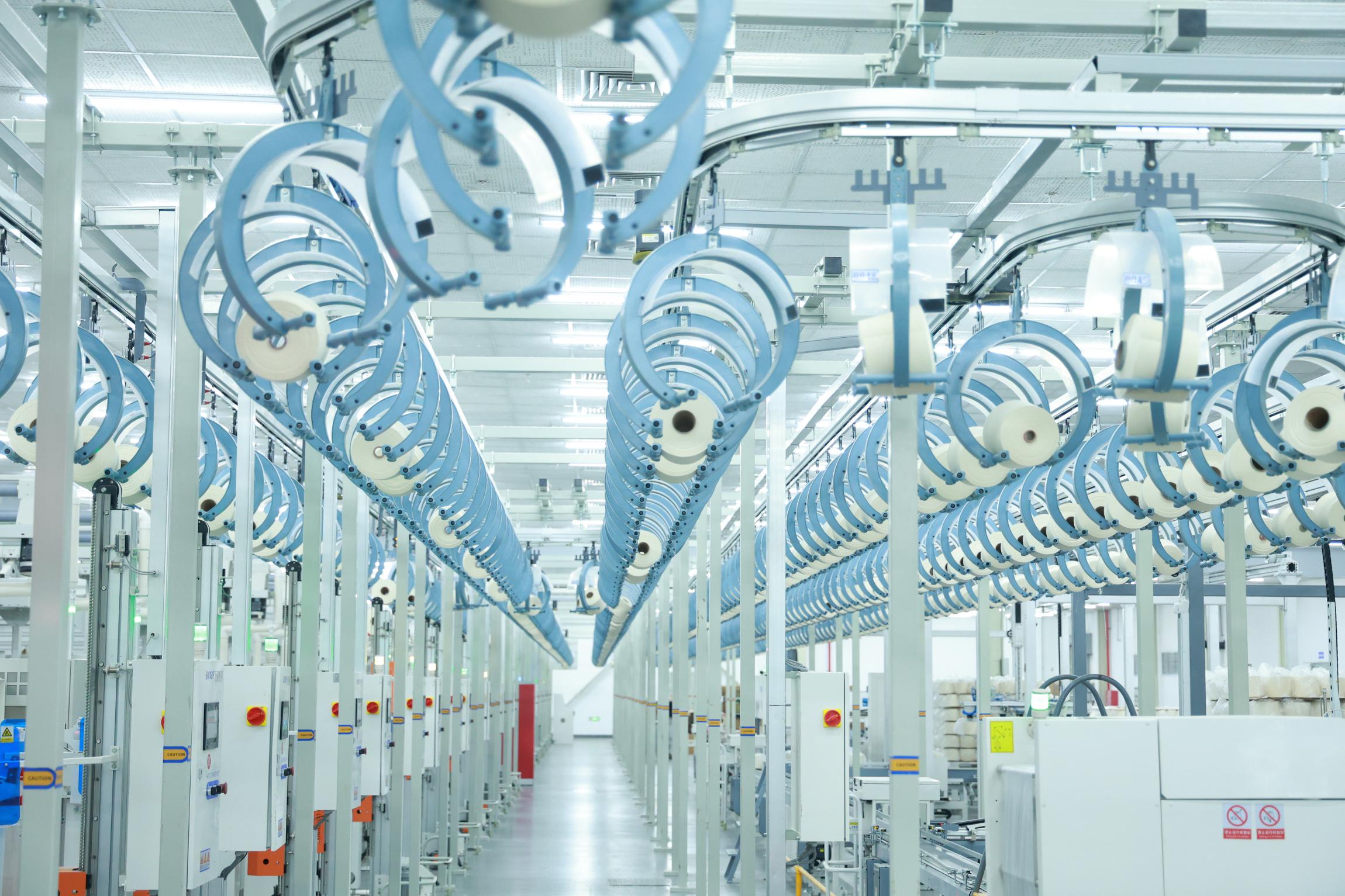
The light of the "lighthouse" shines not only in intelligence but also takes root in green development. Digital reform has spawned "golden benefits": the number of workers per 10,000 spindles has plummeted from 55 in the traditional model to 15, a drop of 72%. "In the past, dozens of workers in a shift were rushed off their feet; now, more than a dozen ‘intelligent operation and maintenance personnel' can oversee the entire production process," sighed Feng Chuanjun, Section Chief of the Workshop. A series of solid data validate the effectiveness of this reform: overall labor productivity has increased by over 400%, unit energy consumption has decreased by 15%, and processing costs have dropped by 26%.
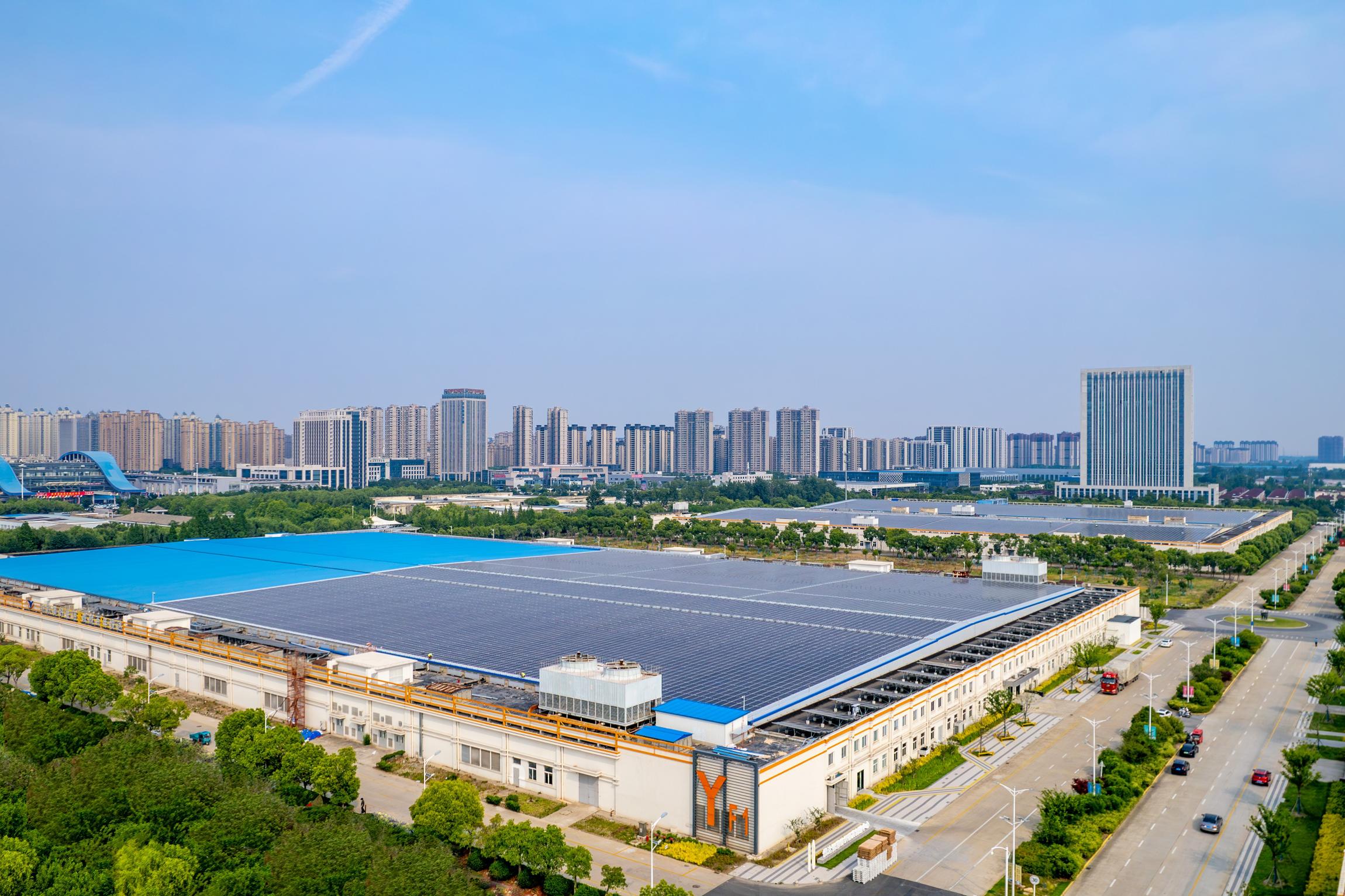
Behind the efficiency leap lies the in-depth integration of green practices and intelligent systems. The distributed photovoltaic system laid on the factory roof continuously converts sunlight into green electricity; the supporting energy storage power station effectively smooths out energy peak-valley fluctuations, facilitating efficient energy utilization with an annual carbon reduction of up to 15,800 tons. From the source of production to end products, the concept of green development runs through—independently developed organic, recycled, and recyclable product lines powerfully demonstrate the strong capabilities of a "national green factory".
Continuous Ascent: Illuminating a New Path for "Intelligent Manufacturing" in the Industry
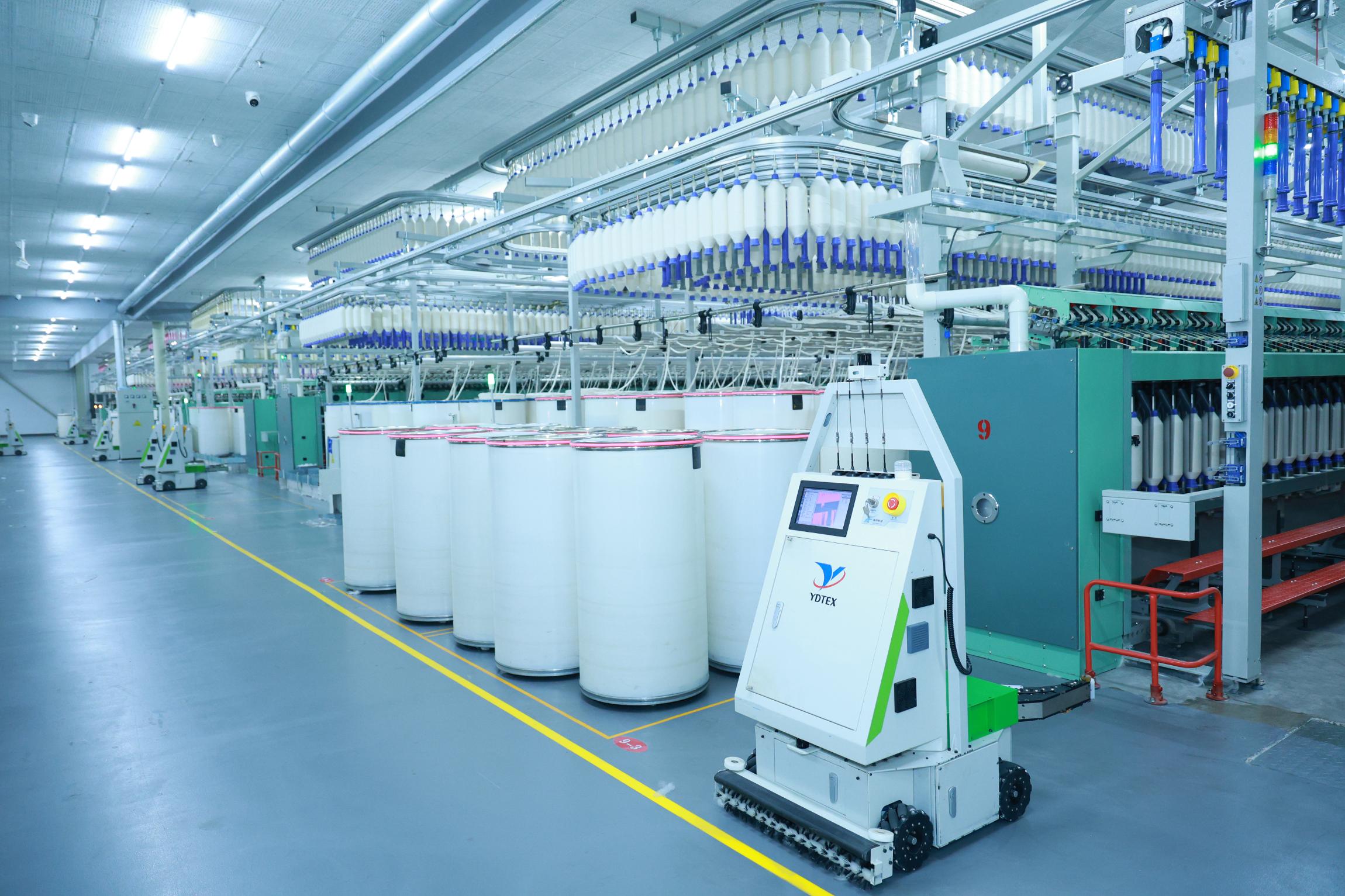
Innovation has always been the unchanged cornerstone of Yueda Textile's development. The Group continues to tackle key independent core technologies such as flexible manufacturing, cotton-containing vortex spinning, Yomo Spinning, bio-based yarns, intelligent fabrics, EF, and fiber suppression technologies, securing over 200 authorized patents in the past three years. From "traditional manufacturing" to "intelligent manufacturing", the "lighthouse" journey of Yueda Textile's 100,000-spindle green and intelligent factory is a path of courage and self-innovation. It vividly interprets the profound connotation of "enterprises daring to act" and provides a replicable and promotable "Yueda Solution" for the transformation and upgrading of traditional industries. Standing on the coast of the Yellow Sea, this "lighthouse" is shining brightly, leading China's cotton textile industry toward a high-end, intelligent, and green future.
Selected jointly by the World Economic Forum and McKinsey & Company, "Lighthouse Factories" represent the pinnacle of intelligent manufacturing and digitalization in the global manufacturing industry. Yueda Textile's achievement is a milestone result of its long-term commitment to the strategy of "intelligent transformation and digital upgrading" and forward-looking layout for industrial upgrading. It also fully demonstrates Yueda Group's strategic determination to lead the transformation and upgrading of traditional industries through digitalization and intelligence.




 86-0515-88585620

 苏公网安备 32090302000337号